Roofing Around A Working Property
Commercial roofing needs a survey that considers the building and the people using it. A leak over stock, an office, a shared entrance or electrical equipment can have consequences beyond the roof itself. Access, opening hours, tenants, deliveries, plant, rooflights, walkways and previous repairs all affect the safe method and the order in which work should be carried out.
Alliance Roofing London can discuss commercial roof repairs, maintenance and replacement for landlords, estate agents, managed buildings and property portfolios. The first scope should identify the roof type, the leak history, the areas affected and who needs to approve the work. A clear record helps owners make decisions and gives occupants a better understanding of any disruption.
Surveying Access And Roof Condition
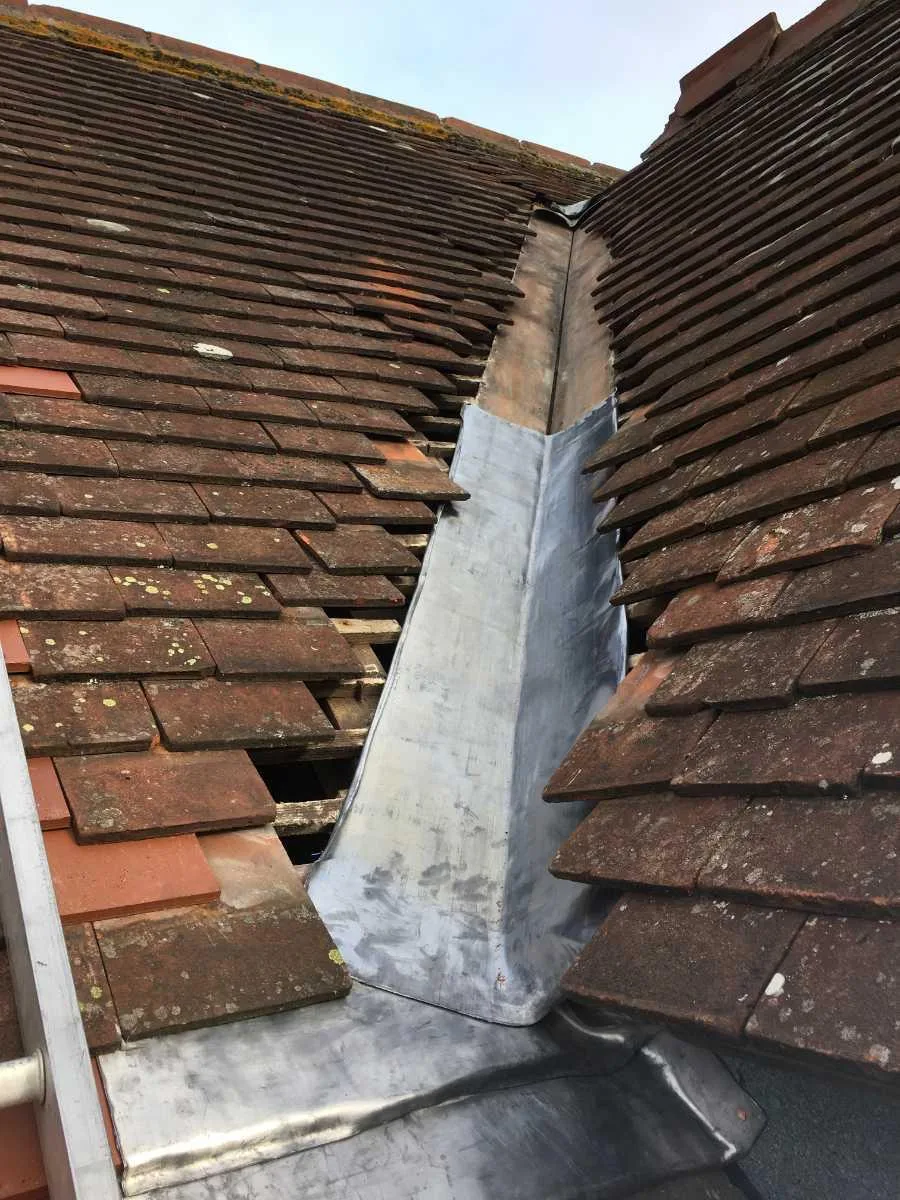
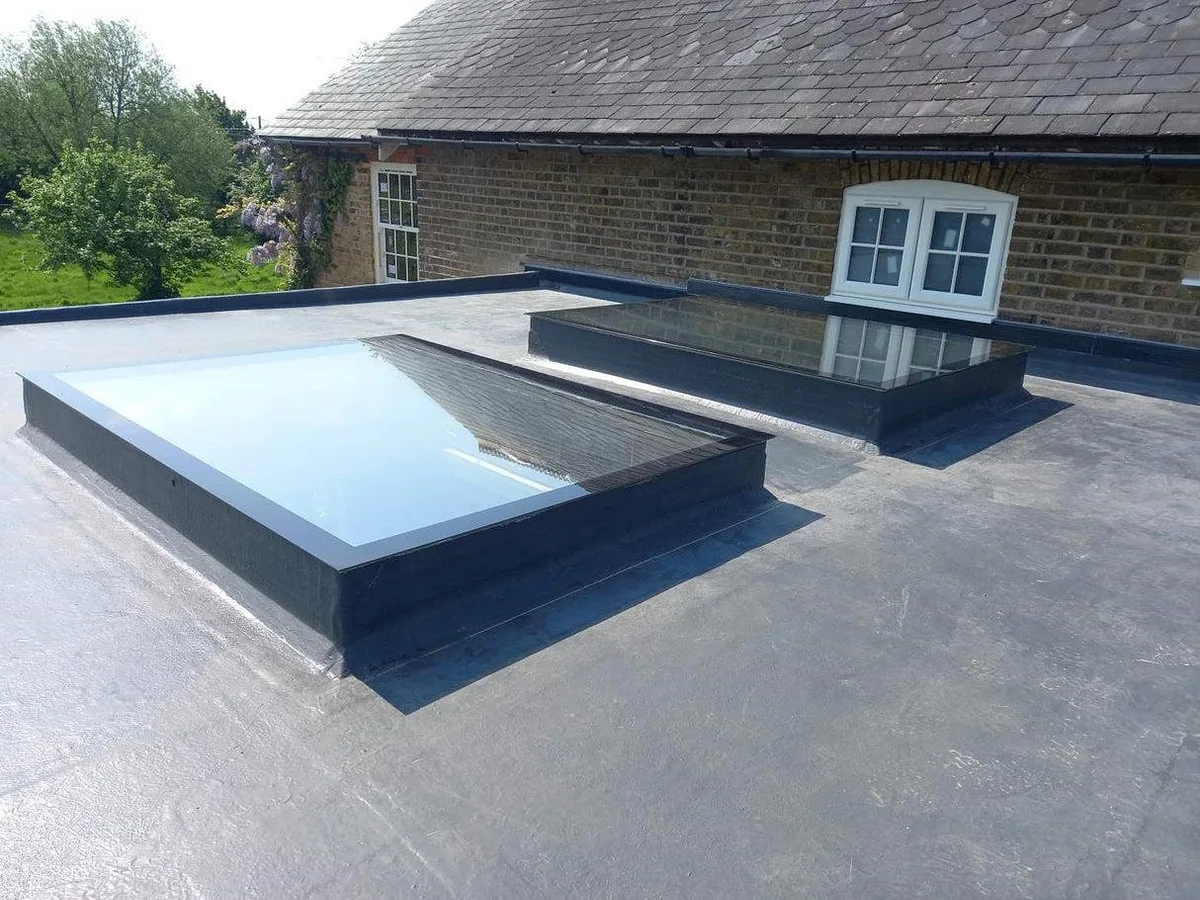
The inspection can cover flat membranes, pitched coverings, rooflights, gutters, parapets, outlets, plant penetrations, service routes and safe walkways. It should look for ponding, failed seams, damaged flashings, loose coverings, blocked drainage and areas where maintenance traffic has worn the roof. The roof may need phased access if equipment, tenants or neighbouring businesses share the building. Plant screens, cable routes and inspection hatches should be recorded because they can change the safest route across the roof.
The building manager should provide information about roof access, keys, alarms, working hours, parking, deliveries, asbestos registers where relevant and any known restrictions. The roofing scope should not assume that a commercial roof can be treated like an empty domestic extension. Safe access and communication need to be planned before materials arrive. Any isolation of plant or services should be agreed with the responsible building contact before work starts.
Repairs, Maintenance And Replacement
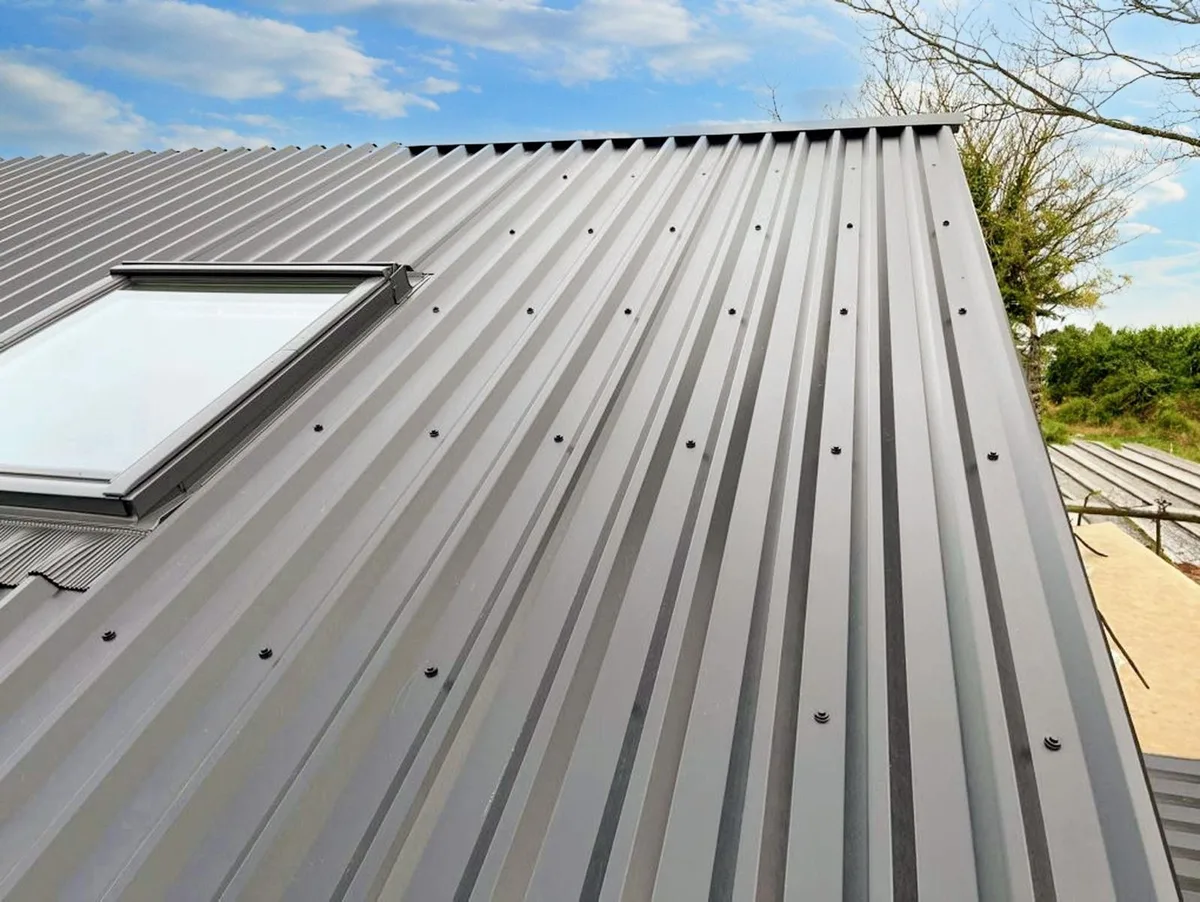
A commercial repair may include membrane work, rooflight detailing, outlet repairs, flashing, guttering, chimney work, pitched roof repairs or temporary weatherproofing. The method should match the existing system and the roof use. If a roof is accessed by maintenance staff, plant engineers or contractors, the scope should identify protected routes and details that are vulnerable to repeated foot traffic.
Planned maintenance can help identify small defects before they interrupt trading or affect tenants, but it should be based on the actual roof condition. A replacement project needs a fuller plan for access, temporary protection, waste, deliveries, noisy work and handover. The quotation should explain what is included, what is provisional and which hidden defects may only be confirmed when the roof is opened.
Evidence And Handover
Photographs and plain notes are especially useful where the person approving the work is not on site. A report can show the location of a leak, the condition of the membrane or covering, the detail proposed and the parts that remain for monitoring. Commercial customers may also need records for a landlord file, tenant communication, planned maintenance or an insurance discussion. Clear sign-off points help separate urgent protection from later planned work where practical.
For an enquiry, provide the postcode, building use, roof type, access arrangements, urgency and photographs taken from a safe position. Do not send staff onto the roof to investigate a leak. After the work, keep the scope, photographs, system information and maintenance advice together so future contractors can understand what was changed and where access should be controlled.
Planning Access And Protecting Your Property
A roof cannot be assessed properly from a price list. Its height, shape, covering and access all affect the work. A rear extension reached through the house needs a different plan from a front slope beside a public pavement. Tell us about narrow side passages, shared gardens, basement lightwells, parked vehicles and any part of the property that must remain in use. These details help establish how materials and removed roofing can be handled without creating an avoidable obstruction.
Where scaffolding or another access arrangement is needed, that should be identified in the scope before the work is booked. For a flat, leasehold property or shared roof, the person commissioning the work may need to involve the freeholder, managing agent or neighbouring owner. Please tell us who can approve the works and provide access. We can then discuss the roof with the right person and avoid agreeing work on an area that is outside your responsibility.
What Your Roofing Quote Should Cover
The visible surface is only part of a roofing job. A useful quotation describes the affected roof section, the preparation, the proposed materials and the treatment of adjoining details. Access, removal of old materials and waste handling should be clear. Where damaged timber or a wet deck may be concealed, the quote should explain what can be assessed beforehand and how additional findings will be discussed. You should not have to infer what is included from a single line and a total price.
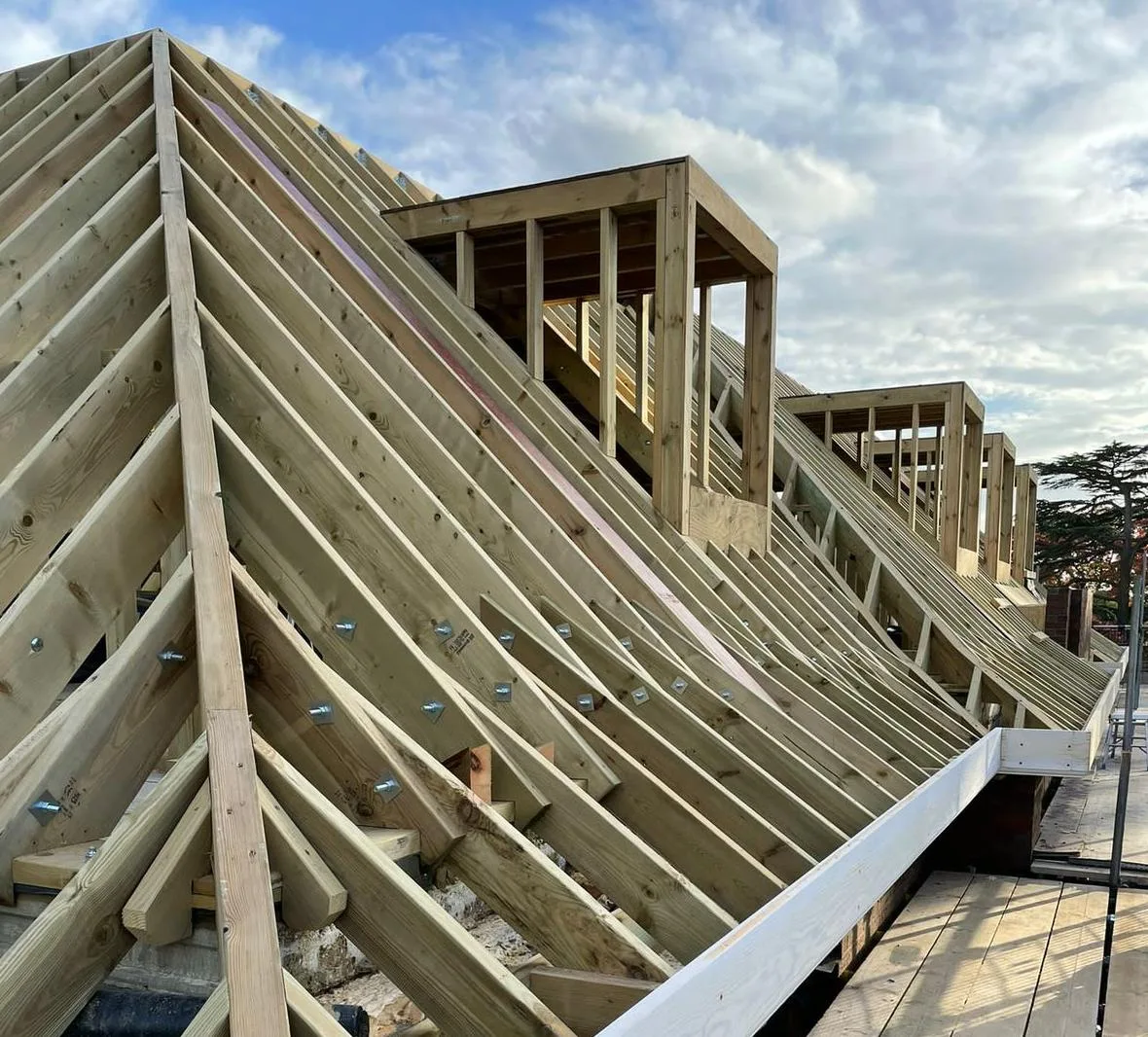
Compare the proposed work as well as the figure. One quote may cover a small repair while another includes renewal of the surrounding covering or drainage details. Ask why each option is being recommended and what will remain untouched. A larger project may also require decisions about insulation, ventilation, rooflights or the finished roof height. Those decisions belong in the planning conversation, before materials are ordered or a roof is opened.
From The First Visit To The Final Check
Alliance Roofing London keeps its roofing work in-house. The owner oversees projects and the final sign-off, giving you a point of accountability for the agreed work. Before starting, we discuss access, the area being repaired or replaced and the arrangements for keeping the property protected. If opening up the roof reveals a condition that changes the scope, the finding needs to be explained before a different course of work is agreed.
At completion, the useful question is not simply whether the roof looks new. The repaired junctions, drainage routes and any adjoining surfaces should be checked, and removed materials should be cleared from the working area. Ask what has been repaired, what has been retained and whether any separate maintenance remains. Keep the written scope and any photographs together, especially if you are looking after a rented property or coordinating work for other owners.
Looking After The Roof Afterwards
Keep an eye on the roof from ground level after strong winds or sustained rain. A new damp patch, overflowing gutter or displaced piece of covering is worth reporting before the next wet spell. Do not climb onto the roof to investigate, and do not assume a flat roof or rooflight can take your weight. Photographs from a safe window or the garden often provide enough information for an initial discussion.
Regular checks should suit the roof rather than follow a generic treatment package. Trees can increase the amount of debris reaching gutters and outlets, while a roof terrace needs its drainage kept clear beneath or around its walking surface. Tell us about previous repairs and keep notes on when a leak appears. That history can help separate a new fault from moisture that is still drying out after an earlier leak.
Before You Arrange The Work
Identify the building use, occupants and person authorising the work. Share access, opening-hour, parking and delivery restrictions early. Ask for rooflights, outlets, plant and walkways to be inspected. Confirm temporary protection and business continuity arrangements. Keep the final scope, photographs and maintenance record together.