
A MAINTENANCE PLAN BUILT AROUND THE ROOF
Roof maintenance is more useful when it follows the property rather than a generic checklist. A flat roof with outlets and rooflights needs different attention from a pitched tiled roof with valleys, chimneys and gutters. A commercial building may also have plant, service routes, tenants and working-hour restrictions that affect when a roof can be inspected.
Alliance Roofing London can discuss planned roof inspections, roof cleaning, guttering, roofline work, leadwork and repairs for homes, landlords, property managers and commercial properties across London, Surrey and Berkshire. The first step is to understand the roof type, its history, the reason for the visit and the access available.
WHAT A PLANNED ROOF CHECK CAN FIND
A maintenance inspection may look for cracked or slipped tiles and slates, loose ridges, open joints, damaged flashings, failing mortar, worn membrane seams, ponding, blocked outlets, overflowing gutters and rooflight defects. Roof edges, fascias, soffits, parapets, valleys and chimney junctions can also affect how water leaves the roof.
Internal information matters. A damp mark, mould, wet insulation or a draught in a loft can change the priority of an external defect. The visible symptom may not be directly below the entry point, so notes should distinguish a likely cause from a feature that needs further investigation. Maintenance records are more useful when they include photographs and a clear location.
KEEPING DRAINAGE ROUTES CLEAR
Gutters, outlets and downpipes are part of the roof system. Leaves, moss, silt and debris can restrict flow, while poor falls, loose brackets, damaged joints or an undersized route can cause overflow even when a channel looks reasonably clean. Water running over a roof edge can stain walls, damage fascias and add moisture to areas that were not designed to receive it.
Maintenance should consider the whole route from the roof covering to the discharge point. A valley or large roof area may send more water into a gutter than a short section can handle. A roof terrace may hide drainage beneath decking or a walking surface. Do not clear a high gutter or walk onto a roof yourself. Tell us about access, trees and any previous drainage work.
ROOF CLEANING AND ORGANIC GROWTH
Moss, algae and roof debris hold moisture and can obscure the condition of slates, tiles, ridges and gutters. The safe cleaning method depends on the material, fixing condition, roof pitch, surrounding property and access. Pressure washing is not suitable for every roof and can damage coverings or force water into vulnerable details.
A careful scope should say what will be cleaned, how debris will be handled and whether the gutters or nearby surfaces are included. Cleaning does not make a roof maintenance-free. Shade, trees, rainfall and the condition of the covering all affect how quickly growth returns. Any cracked, loose or damaged material found during cleaning should be recorded separately from the cleaning work.
FLAT ROOF MAINTENANCE
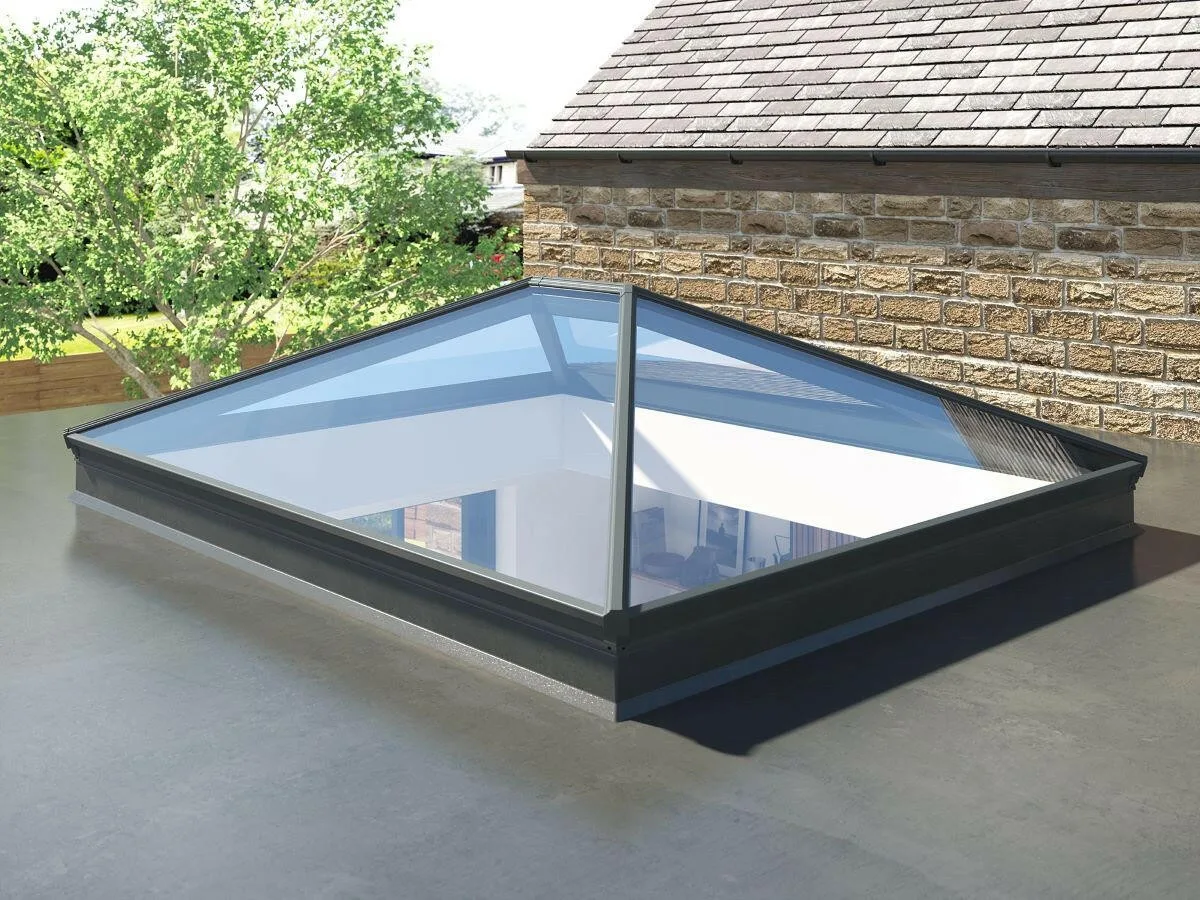
Flat roof maintenance should pay attention to falls, outlets, seams, upstands, rooflights, edge trims, penetrations and the surface around access points. EPDM rubber, GRP fibreglass, torch-on felt and liquid rubber roofs each have their own preparation and repair requirements. The correct approach depends on the existing system and substrate, not simply on the colour or age of the membrane.
Small defects can become more serious when water remains on the roof or reaches the deck. A check should note ponding, trapped moisture, movement, failed outlets and any area where maintenance traffic has worn the surface. If an overlay or renewal is proposed, the owner should receive a clear explanation of the preparation, insulation, drainage and edge details involved.
MAINTENANCE FOR CHIMNEYS, FLASHINGS AND ROOF EDGES
Chimney masonry, pointing, pots, flaunching and lead flashings can all affect the roof below. Valleys, wall abutments, dormers and rooflights also depend on formed weathering details that direct water away from the building. A cosmetic coating can hide a defect without fixing the route that allows water into the roof.
Where a maintenance visit identifies a repair need, the record should describe the feature, the visible condition and the recommended next step. Local leadwork, flashing repair, repointing or replacement may be more appropriate than a broad treatment. If the roof is shared, the owner or managing agent should confirm who can approve work and how access will be arranged.
MAINTENANCE FOR COMMERCIAL AND MANAGED PROPERTIES
Commercial and managed roofs need a method that respects occupants, deliveries, plant, alarms, working hours and safe access. The building manager should share any known restrictions, roof access information, previous reports and details of areas that must remain open. A maintenance record can then support planned repairs, landlord files and communication with tenants.
Alliance Roofing London’s client record confirms that work is kept in-house, the owner oversees projects and the final sign-off, and the team can manage Building Control sign-off where required. These are service points, not a substitute for a roof survey. The scope should still set out the actual areas inspected, the work proposed and any limitations.
TURNING FINDINGS INTO A SENSIBLE SCOPE
A maintenance report should separate urgent safety or water-ingress issues from repairs that can be planned and defects that can be monitored. It should identify access requirements, materials, adjoining details and any opening-up that may be needed before a final solution is known. A clear quotation helps the customer compare like with like and decide what to do first.
For the next visit, send the property postcode, roof type if known, inspection history, photographs taken safely and any dates when leaks or overflow occur. Explain whether the roof is occupied, shared, rented or used for plant. The more practical context is available, the less likely it is that a proposed maintenance task will overlook an access or responsibility issue.
LOOKING AFTER THE ROOF BETWEEN CHECKS
Watch the roof from ground level after strong winds and prolonged rainfall. Report a new damp mark, displaced covering, overflowing gutter or damaged roofline detail before the next wet spell. Keep gutters and outlets clear where they can be reached safely, and keep records of previous work. Do not climb onto a wet roof, flat roof or roof terrace to investigate.
Call 020 8528 3900 to discuss a planned roof inspection or maintenance visit. For urgent water ingress or storm damage, use the emergency contact route on 07553 337796 and explain the immediate risk. Alliance Roofing London can then discuss what information is needed and what access arrangements may be required.