
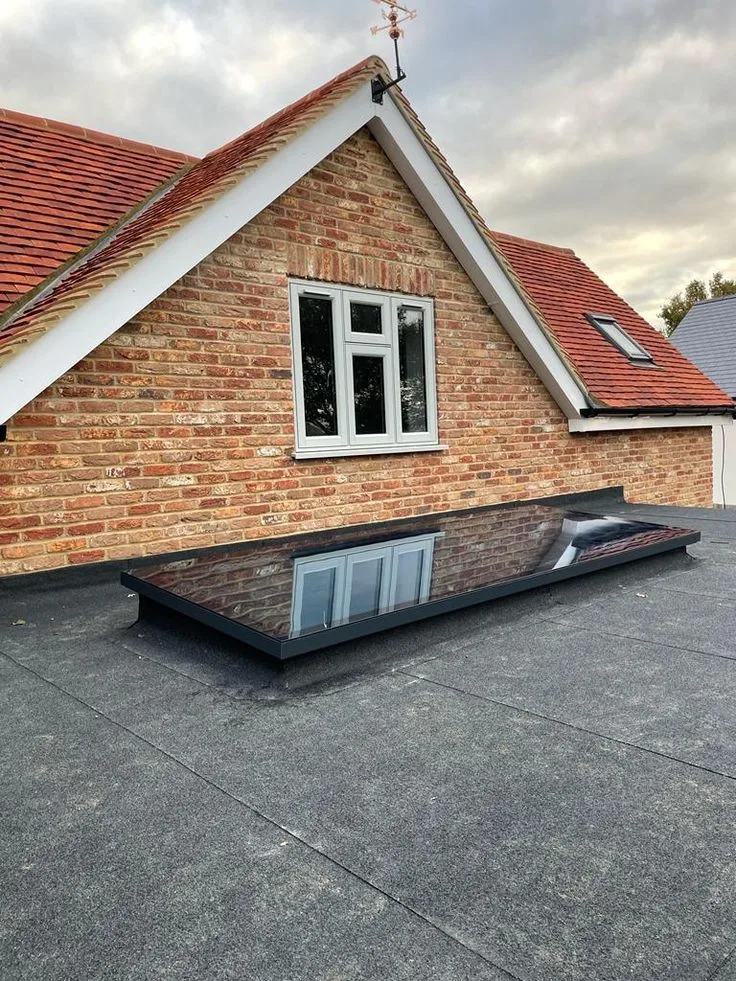
Roof Replacement For Your Barnes Property
Alliance Roofing London provides roof replacement in Barnes. Tell us whether the work is at a house, a flat, a managed building or commercial premises. The roof covering, access and the symptoms you have noticed will help us prepare for a useful first conversation.
For Barnes enquiries, call our London team on 020 8528 3900. Our London office address is 28 Old Brompton Road, South Kensington SW7 3SS. If the issue is urgent, the emergency contact number is 07553 337796. Attendance is arranged around the location, weather and safe access; a contact line is not a promise of a fixed arrival time.
Knowing When A Roof Needs Renewal
Roof replacement is a significant project and should be recommended because of condition rather than because a roof is simply old. Widespread cracked or slipped coverings, failed underlay, damaged battens, wet insulation, unsafe roof structure or repeated leaks across several details can all point towards renewal. A survey should also consider whether local repairs would leave too much of the old build-up in place.
Alliance Roofing London can discuss full strip-and-re-roof work for period homes, modern properties, extensions and other buildings. The work may involve a pitched covering such as slate or tile, a flat roof system or a combination where different roof areas meet. The scope should be based on the roof that is present, its intended use and the access available around the property.
What Is Assessed Before Stripping
Before work begins, the roof should be reviewed for covering condition, battens, underlay, rafters, valleys, ridges, hips, verges, eaves, flashings, chimneys, rooflights, gutters and visible insulation. Older homes may have later additions, irregular roof lines or materials that need careful matching. The inspection should identify details that can be seen and explain which hidden conditions can only be confirmed once the roof is opened.
Access planning is part of the replacement. Scaffold, protection of windows and gardens, neighbour boundaries, parking, deliveries, waste removal and the sequence of stripping and weatherproofing all need consideration. A roof should not be left exposed beyond what the working plan can safely manage, and the customer should understand how the property will be protected while the covering is being renewed.
A Complete Roof Detail
The new covering is only one part of the result. The roof build-up may include new underlay, battens, insulation, ventilation and structural timber repairs. Valleys must drain, chimney flashings must weather the masonry, rooflights need compatible details and ridges, hips, verges and eaves need secure finishes. Guttering and roofline components should be checked so water leaves the roof cleanly after the replacement.
Material selection should consider the roof pitch, exposure, appearance and the character of the property. Natural slate, clay tile and concrete tile each have different support and fixing requirements. On a flat roof, the membrane, insulation, falls, outlets, upstands and edges need the same joined-up treatment. The quote should set out these parts instead of describing only a generic new roof.
Comparing Replacement Quotes
A useful replacement enquiry includes the postcode, roof type, property age if known, signs of leaks or movement, photographs and any access restrictions. Landlords and agents may need records for tenants, while a household may need the work staged around occupancy. Ask each quote to identify access, scaffold, waste, timber allowances, flashings, insulation, roofline, drainage and the expected handover.
The completed project should leave a clear record of what was removed, what was installed and what needs maintenance. Photographs of valleys, flashings, rooflights, gutters and other details are useful because many of these areas cannot be seen from the ground. A sensible replacement gives the property a coherent roof system that can be inspected and maintained later.
Planning Access And Protecting Your Property
A roof cannot be assessed properly from a price list. Its height, shape, covering and access all affect the work. A rear extension reached through the house needs a different plan from a front slope beside a public pavement. Tell us about narrow side passages, shared gardens, basement lightwells, parked vehicles and any part of the property that must remain in use. These details help establish how materials and removed roofing can be handled without creating an avoidable obstruction.
Where scaffolding or another access arrangement is needed, that should be identified in the scope before the work is booked. For a flat, leasehold property or shared roof, the person commissioning the work may need to involve the freeholder, managing agent or neighbouring owner. Please tell us who can approve the works and provide access. We can then discuss the roof with the right person and avoid agreeing work on an area that is outside your responsibility.
What Your Roofing Quote Should Cover
The visible surface is only part of a roofing job. A useful quotation describes the affected roof section, the preparation, the proposed materials and the treatment of adjoining details. Access, removal of old materials and waste handling should be clear. Where damaged timber or a wet deck may be concealed, the quote should explain what can be assessed beforehand and how additional findings will be discussed. You should not have to infer what is included from a single line and a total price.
Compare the proposed work as well as the figure. One quote may cover a small repair while another includes renewal of the surrounding covering or drainage details. Ask why each option is being recommended and what will remain untouched. A larger project may also require decisions about insulation, ventilation, rooflights or the finished roof height. Those decisions belong in the planning conversation, before materials are ordered or a roof is opened.
From The First Visit To The Final Check
Alliance Roofing London keeps its roofing work in-house. The owner oversees projects and the final sign-off, giving you a point of accountability for the agreed work. Before starting, we discuss access, the area being repaired or replaced and the arrangements for keeping the property protected. If opening up the roof reveals a condition that changes the scope, the finding needs to be explained before a different course of work is agreed.
At completion, the useful question is not simply whether the roof looks new. The repaired junctions, drainage routes and any adjoining surfaces should be checked, and removed materials should be cleared from the working area. Ask what has been repaired, what has been retained and whether any separate maintenance remains. Keep the written scope and any photographs together, especially if you are looking after a rented property or coordinating work for other owners.
Looking After The Roof Afterwards
Keep an eye on the roof from ground level after strong winds or sustained rain. A new damp patch, overflowing gutter or displaced piece of covering is worth reporting before the next wet spell. Do not climb onto the roof to investigate, and do not assume a flat roof or rooflight can take your weight. Photographs from a safe window or the garden often provide enough information for an initial discussion.
Regular checks should suit the roof rather than follow a generic treatment package. Trees can increase the amount of debris reaching gutters and outlets, while a roof terrace needs its drainage kept clear beneath or around its walking surface. Tell us about previous repairs and keep notes on when a leak appears. That history can help separate a new fault from moisture that is still drying out after an earlier leak.